
.svg)


Sash vs Casement Windows: Complete UK Comparison Guide
Our Verdict
Sash windows are the superior choice for period and listed properties where heritage aesthetics and planning compliance matter, but casement windows offer better value, lower maintenance, and improved energy efficiency for modern homes. For most UK homeowners replacing windows in a post-war property, casement windows deliver the best balance of performance and cost, while sash windows remain essential for conservation areas and character homes.
At a Glance
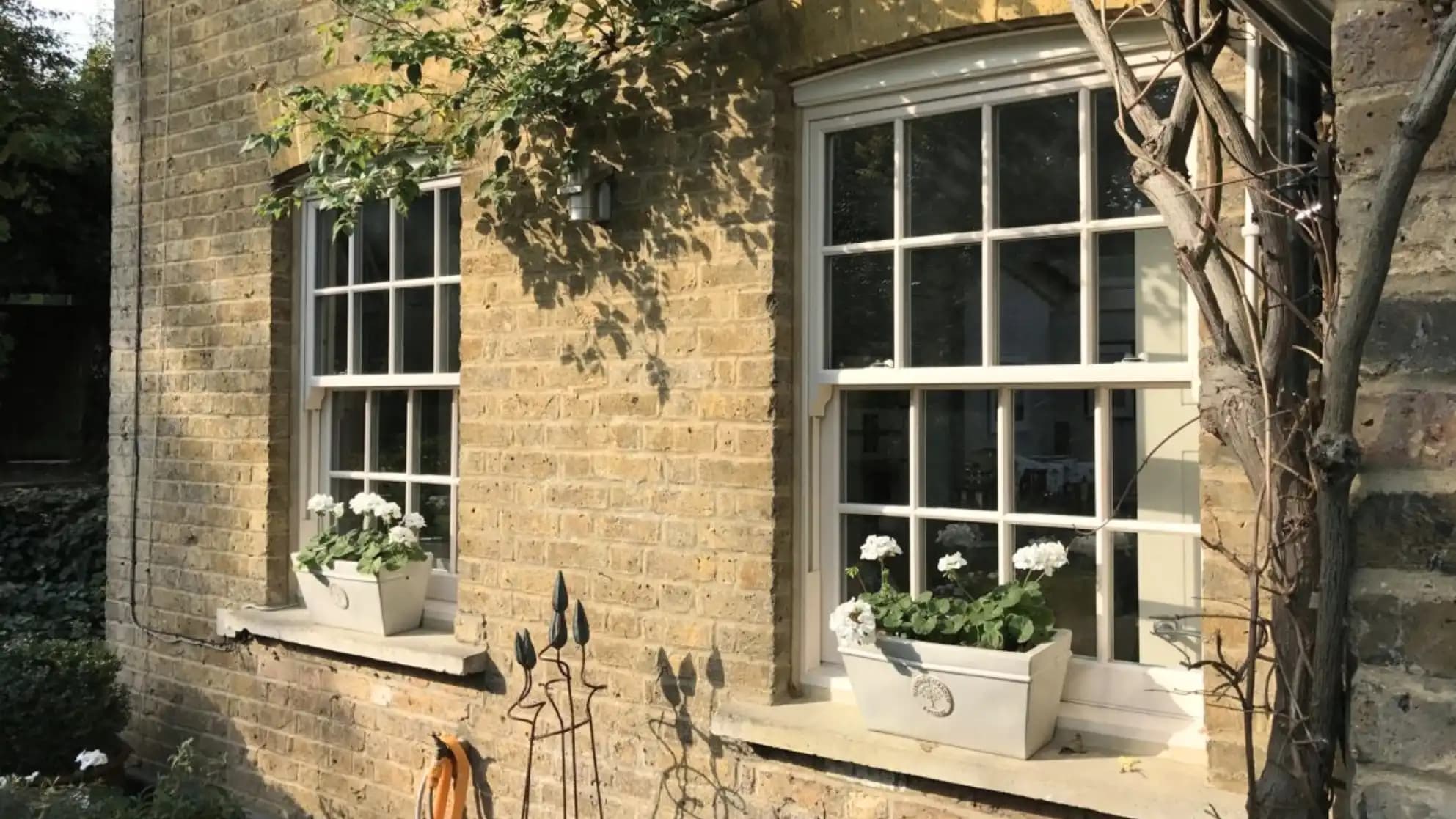
Sash Windows
Key Specs
- U-value from 1.4 W/m²K (double glazed)
- Vertical sliding operation
- Available in timber, uPVC, and aluminium
- Meets BS 6375 weather performance standards
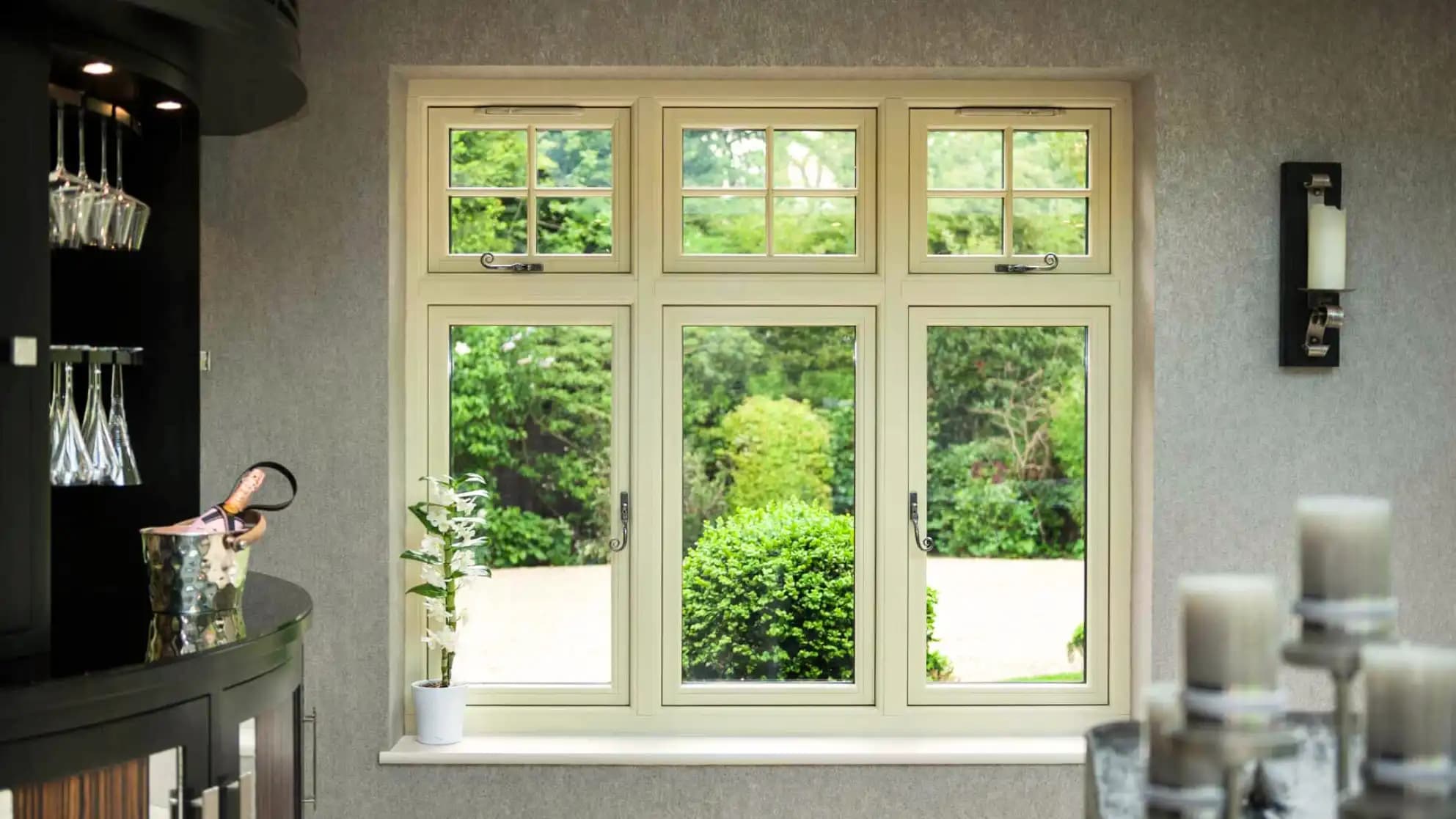
Casement Windows
Key Specs
- U-value from 1.2 W/m²K (double glazed)
- Side or top-hung opening mechanism
- Available in uPVC, timber, and aluminium
- PAS 24 enhanced security compliant
Detailed Comparison
| Feature | Sash Windows | Casement Windows |
|---|---|---|
| Average Cost (supply & fit) | £600-£2,800 | £350-£800 |
| Energy Efficiency (U-value) | From 1.4 W/m²K | From 1.2 W/m²K |
| Ventilation Control | Excellent - adjustable top/bottom | Good - single opening angle |
| Maintenance Required | Moderate to High | Low |
| Security Rating | Good (with modern hardware) | Excellent (multi-point locking) |
| Planning Permission | Typically not needed in conservation areas | May require approval in conservation areas |
| Weather Resistance | Good (BS 6375 rated) | Excellent (BS 6375 rated) |
| Noise Reduction | Good (up to 34dB) | Very Good (up to 36dB) |
| Lifespan | 20-60+ years (material dependent) | 20-40 years (material dependent) |
| Cleaning Ease | Moderate (tilt-in options available) | Easy (fully opening) |
| Period Authenticity | Excellent | Limited |
| Maximum Opening Area | Up to 50% of frame | Up to 90% of frame |
| Draught Resistance | Good (with brush seals) | Excellent (compression seals) |
| Installation Time | 3-5 hours per window | 2-3 hours per window |
Choose Sash Windows If...
- You own a period property (Georgian, Victorian, or Edwardian) and want to maintain its architectural character
- Your property is in a conservation area or is a listed building where casement replacements would not receive planning approval
- You want superior natural ventilation with the ability to control airflow from both top and bottom of the window
- Maintaining or increasing your property's value is important, particularly in heritage-rich areas
- You appreciate traditional British craftsmanship and are prepared to invest in long-lasting quality
- Your existing window openings are designed for sash windows and converting to casement would require significant structural alteration
Choose Casement Windows If...
- You have a modern or post-war property where casement windows are the architecturally appropriate style
- Budget is a primary consideration — casement windows cost 40-60% less than equivalent sash windows
- You want the lowest possible maintenance requirements, especially with uPVC frames
- Maximum energy efficiency is your top priority and you want the best possible U-values
- You need easy cleaning access, particularly on upper-floor windows
- Enhanced security with multi-point locking is a key requirement
Cost Comparison
The cost difference between sash and casement windows is substantial. A standard double-glazed uPVC casement window costs between £350 and £800 fully installed, while an equivalent sash window ranges from £600 to £2,800 depending on material and specification. For a typical three-bedroom semi-detached house with 8-10 windows, a full house of uPVC casement windows would cost approximately £4,000-£7,000, whereas uPVC sash windows would run to £6,000-£12,000. Timber sash windows push costs higher still, with a full house installation typically costing £12,000-£25,000. It is worth noting that heritage-style uPVC sash windows offer a middle ground at £600-£1,200 per window, providing the sash aesthetic at a fraction of the cost of timber. When calculating total cost of ownership over 25 years, factor in maintenance costs: timber sash windows may require £3,000-£5,000 in maintenance over their lifetime, while uPVC casement windows need virtually nothing beyond occasional cleaning. All prices include VAT at 20% and are based on standard installation in England and Wales as of 2024.
Frequently Asked Questions
Generally no. Conservation area regulations typically require like-for-like replacement, meaning sash windows must be replaced with sash windows of similar appearance. You will need to apply for planning permission if you wish to change the window style, and this is frequently refused. Always check with your local planning authority before making any changes. Some councils publish specific guidance on acceptable window replacements for their conservation areas.
Modern sash windows are only marginally less energy efficient than casement windows. While casement windows can achieve slightly better U-values (from 1.2 W/m²K vs 1.4 W/m²K for sash), the real-world difference in energy costs is small — typically £20-£40 per year for an average home. Both types comfortably meet Building Regulations Part L requirements when double or triple glazed with low-E coatings and argon gas filling.
Timber sash windows, when well maintained, can last 60-100+ years — many original Victorian sash windows are still in use today. uPVC sash windows typically last 20-30 years. Casement windows have a similar lifespan by material: timber casements last 40-60 years, uPVC casements 20-30 years, and aluminium casements 30-45 years. The longevity of timber sash windows is one of their strongest selling points.
Modern casement windows are generally more secure out of the box due to their multi-point locking systems. However, modern sash windows can be fitted with advanced security hardware including PAS 24 compliant locks. Both types can achieve Secured by Design accreditation. If security is a concern, ensure whichever type you choose is PAS 24:2022 certified and carries the Secured by Design mark.
Yes, particularly on period properties. Estate agents estimate that appropriate sash windows can add 5-10% to the value of a Georgian, Victorian, or Edwardian property. Conversely, replacing original sash windows with casement windows can reduce value by a similar amount. In conservation areas, the presence of correct-style windows is even more important for property valuation.
Yes, uPVC sash windows are widely available and offer the traditional sash appearance at a significantly lower cost than timber. Modern uPVC sash windows feature authentic-looking run-through horns, slim sightlines, woodgrain foil finishes, and tilt-in sashes for easy cleaning. Prices range from £600 to £1,200 per window installed. However, they may not be acceptable in conservation areas where timber is often specified.
For a typical three-bedroom semi with 8-10 windows: uPVC casement windows cost £4,000-£7,000, uPVC sash windows cost £6,000-£12,000, timber casement windows cost £8,000-£16,000, and timber sash windows cost £12,000-£25,000. These prices include installation, VAT, and disposal of old windows. Costs vary by region, with London and the South East typically 15-20% higher than the national average.
Yes, casement windows are generally easier to clean because they open fully, giving you access to both sides of the glass from inside. Traditional sash windows require cleaning the outside from the exterior, which can be difficult on upper floors. However, modern sash windows often feature a tilt-in facility that allows both sashes to be tilted inward for safe cleaning from inside — a significant improvement over traditional designs.
Sash windows offer superior ventilation control. By opening both the top and bottom sashes, you create a natural convection current that efficiently circulates air without creating draughts. Casement windows provide ventilation through a single opening point and cannot replicate this dual-flow effect. For rooms where air quality and gentle ventilation are important, sash windows are the better choice.
If you use a FENSA-registered installer, they will self-certify the work and you do not need to apply separately for Building Regulations approval. If you use a non-FENSA installer, you must apply to your local authority for Building Control approval, which costs approximately £200-£400. All replacement windows must meet the thermal performance requirements of Building Regulations Part L, regardless of who installs them.
Need Help Choosing?
Our window specialists can help you choose the right windows for your property. Get a free, no-obligation consultation.