
.svg)






uPVC vs Timber Windows: Complete UK Comparison Guide
Our Verdict
uPVC windows are the practical, cost-effective choice for most UK homeowners, offering excellent thermal performance and virtually zero maintenance at a fraction of the cost. Timber windows are the premium option for those who value natural beauty, character, and sustainability, and are often essential for listed buildings and conservation areas where planning regulations require authentic materials.
At a Glance
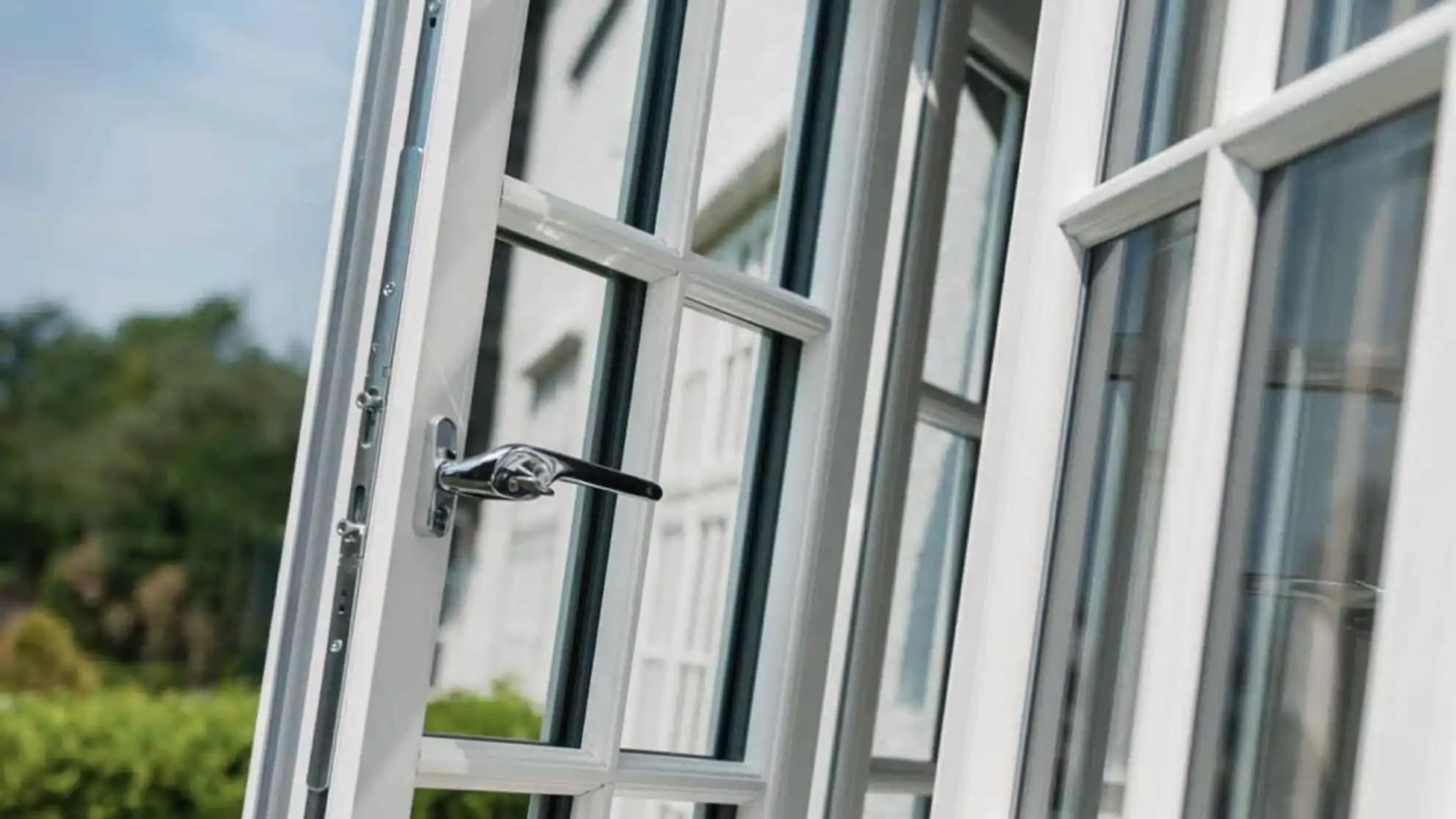
uPVC Windows
Key Specs
- U-value from 1.2 W/m²K (double glazed)
- Multi-chambered insulating profiles
- 20-30 year typical lifespan
- Recyclable up to 10 times
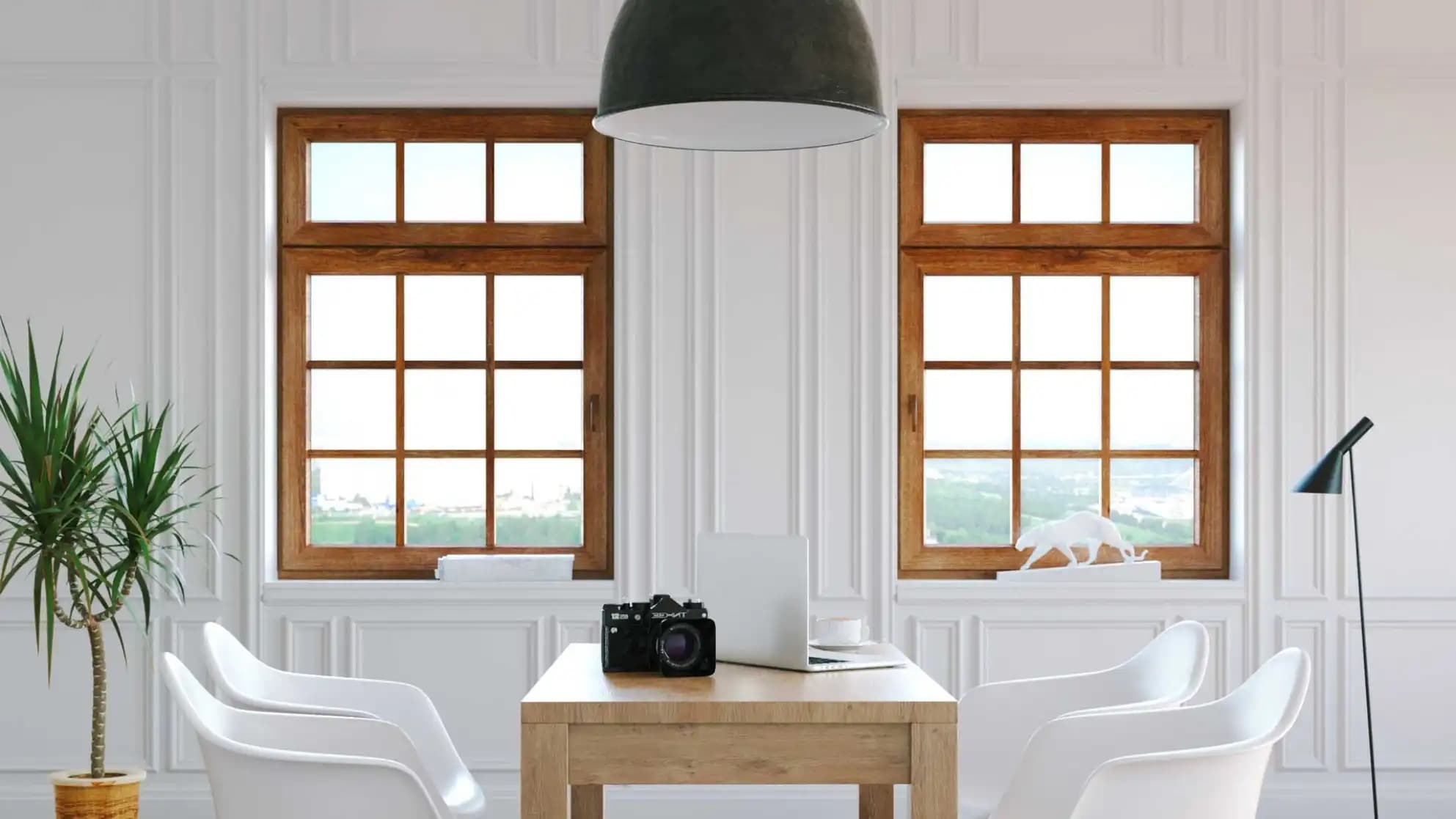
Timber Windows
Key Specs
- U-value from 1.3 W/m²K (double glazed)
- Natural insulating properties
- 60-100+ year lifespan (with maintenance)
- Fully renewable and biodegradable
Detailed Comparison
| Feature | uPVC Windows | Timber Windows |
|---|---|---|
| Average Cost (supply & fit) | £350-£800 | £800-£2,800 |
| Energy Efficiency (U-value) | From 1.2 W/m²K | From 1.3 W/m²K |
| Maintenance Required | Very Low (occasional cleaning) | High (painting every 3-7 years) |
| Lifespan | 20-30 years | 60-100+ years |
| Aesthetic Appeal | Good (improved foil finishes) | Excellent (natural warmth and character) |
| Conservation Area Suitability | Often not accepted | Typically required |
| Environmental Impact | Moderate (recyclable plastic) | Low (renewable, biodegradable) |
| Repair Capability | Limited (usually full replacement) | Excellent (sections can be spliced/repaired) |
| Colour Options | 40+ foil finishes | Unlimited (any paint colour) |
| Condensation Resistance | Excellent | Good (timber absorbs some moisture) |
| Noise Reduction | Good (up to 35dB) | Very Good (up to 38dB) |
| Structural Strength | Good (steel reinforced) | Excellent (natural strength) |
| Cost Per Year of Service | £15-£30/year | £15-£35/year (inc. maintenance) |
| Fire Resistance | Self-extinguishing | Naturally slow-burning (better than uPVC) |
Choose uPVC Windows If...
- You want the most cost-effective window replacement with minimal ongoing expense
- Low maintenance is a top priority — you do not want to paint or treat window frames
- Your property is a modern or post-war home where uPVC is architecturally appropriate
- You need a quick, affordable whole-house window replacement
- Condensation resistance is important, particularly in high-humidity rooms like kitchens and bathrooms
- You want proven, widely available technology with a large choice of local installers
Choose Timber Windows If...
- Your property is listed or located in a conservation area where timber windows are required or preferred
- You value the natural beauty, character, and craftsmanship that only real wood provides
- Long-term sustainability and environmental impact are important considerations for you
- You want windows that can be repaired and refurbished rather than replaced when damaged
- You are investing in a high-end property where quality materials add genuine value
- You appreciate that well-maintained timber windows can last 60-100+ years, far exceeding uPVC
Cost Comparison
The upfront cost difference between uPVC and timber windows is significant. A standard double-glazed uPVC casement window (1200mm x 1200mm) costs £350-£600 installed, while an equivalent timber window costs £800-£1,500 for softwood or £1,200-£2,800 for hardwood. For a typical three-bedroom semi-detached house with 8-10 windows, uPVC will cost approximately £4,000-£7,000 versus £8,000-£15,000 for softwood timber or £12,000-£25,000 for hardwood. However, the total cost of ownership tells a different story. Over 60 years, you would need to replace uPVC windows at least twice (at £5,500 average each time = £11,000), while one set of timber windows with maintenance (approximately £4,000-£6,000 in paint and repairs over 60 years) could still be going strong. This makes the lifetime cost of timber windows potentially comparable to or even less than uPVC. Maintenance costs for timber amount to approximately £40-£80 per window per repainting cycle (every 3-7 years), which over 30 years adds approximately £300-£700 per window. All prices include VAT and professional installation.
Frequently Asked Questions
It depends on your local authority's policies. Some councils accept high-quality uPVC with authentic detailing (slim sightlines, run-through horns, mechanical joints, woodgrain finish) for unlisted buildings in conservation areas. Others require timber. Always check with your local conservation officer before ordering. Installing non-compliant windows can result in enforcement action and the requirement to remove them at your own cost.
Softwood timber windows need repainting every 3-5 years, while hardwood windows can go 5-7 years between coats. The frequency depends on exposure — south and west-facing windows weather faster. Using modern microporous paint systems (such as Sadolin or Teknos) extends the recoating interval compared to traditional gloss paint. A professional repaint costs approximately £40-£80 per window, while DIY costs around £15-£30 per window in materials.
The difference is minimal in practice. uPVC achieves slightly better U-values in most configurations (1.2 vs 1.3 W/m²K), but the real-world energy cost difference is approximately £10-£20 per year for an average home. Both materials comfortably meet Building Regulations Part L requirements and can be specified with identical glazing units. Timber may offer slightly better acoustic insulation due to the denser frame material.
For painted finishes, engineered Scandinavian redwood (Scots pine) is the most popular and cost-effective choice. For premium projects, hardwoods such as sapele, European oak, or Accoya (acetylated radiata pine) offer superior durability and require less frequent maintenance. Accoya is increasingly popular as it combines the sustainability of softwood with the durability of hardwood, offering a 50-year guarantee above ground.
Yes, they can. Estate agents report that uPVC windows on a period property (pre-1930s) can reduce its value by 5-10%, particularly in desirable areas with a high proportion of well-maintained period homes. Conversely, high-quality timber windows can add significant value. For Victorian and Edwardian properties, the window style is one of the most prominent architectural features and contributes significantly to kerb appeal.
Yes, this is one of timber's key advantages. Rotted sections can be cut out and new timber spliced in using epoxy resin and timber splice techniques. Individual components — sills, rails, stiles — can be replaced without replacing the entire window. A specialist joiner can repair a timber window for £150-£400, compared to £800+ for a full replacement. This repairability is why conservation bodies recommend repair over replacement wherever possible.
Most uPVC windows last 20-30 years before requiring replacement. Early signs of ageing include yellowing or greying of the plastic, seal failure causing misted double glazing, difficulty opening/closing due to profile distortion, and cracking around welded joints. Premium uPVC systems from established manufacturers (such as REHAU, Deceuninck, or VEKA) tend to last towards the upper end of this range.
Yes, timber windows are one of the most sustainable building products available. Wood is renewable, biodegradable, and stores carbon (approximately 15-25kg CO2 per window frame). When sourced from FSC or PEFC certified forests, the timber used for windows comes from sustainably managed forests where more trees are planted than harvested. The long lifespan of timber windows (60-100+ years) further enhances their sustainability credentials.
The most convincing woodgrain uPVC finishes are 'Irish Oak' and 'Golden Oak' from major systems companies. For a more contemporary look, 'Anthracite Grey' woodgrain and 'Rosewood' are popular choices. Mechanically jointed uPVC frames (where corners are joined with a mortise rather than welded) provide the most realistic timber appearance, as they eliminate the visible welded corner that is a telltale sign of uPVC.
You do not personally need FENSA registration, but your installer should be FENSA registered (or registered with an equivalent competent person scheme like CERTASS). This allows them to self-certify that the installation complies with Building Regulations, providing you with a certificate that is required when selling your property. If you use a non-registered installer, you must apply to your local authority for Building Control approval at a cost of approximately £200-£400.
Need Help Choosing?
Our window specialists can help you choose the right windows for your property. Get a free, no-obligation consultation.